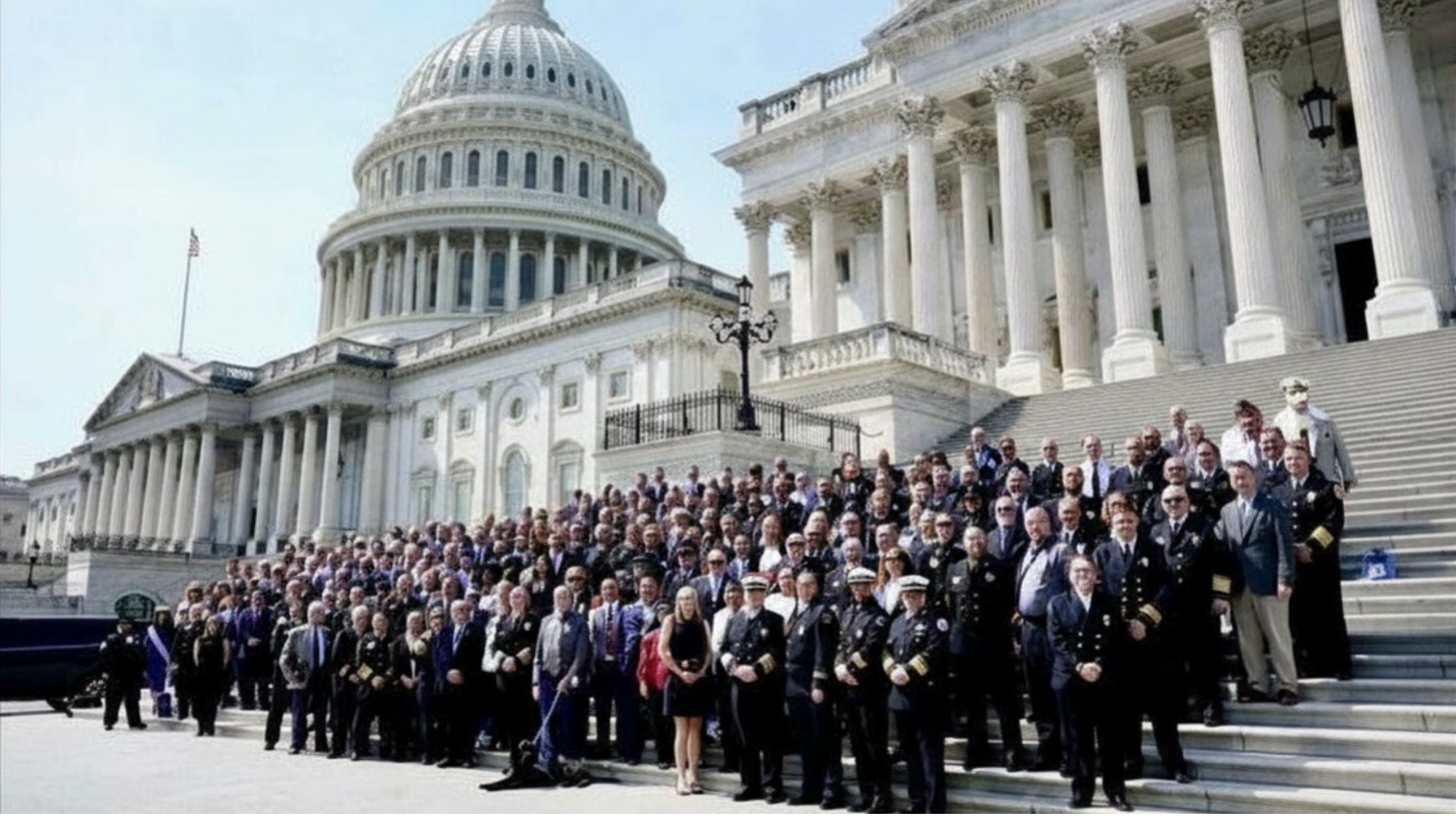
EMS Day on the Hill 2026 drew more than 350 agency representatives to Washington DC with a unified message, advocating a slate of legislative priorities that impact our industry.

Expert EMS Billing

In-depth takes on ambulance billing, the EMS industry, and more
EMS Day on the Hill 2026 drew more than 350 agency representatives to Washington DC with a unified message, advocating a slate of legislative priorities that impact our industry.

EMS budget navigation is difficult in the face of financial uncertainty. A prudent approach is key when changes occur over months and years, not days. We’ve got four tips to help you plan for the financial unknown.

Decreased initial enrollment from the lapsed 2026 Affordable Care Act subsidies may not be the full impact on EMS agencies since they are likely to see a gradual decrease in revenue as patients with Commercial insurance drop plans they can’t afford.

EMS agencies across NC are testing MIH and CP models that extend paramedic care into homes, clinics, and other alternative destinations to reach patients who might otherwise fall through the cracks.

EMS providers increasingly carry and administer whole blood in the field, requiring a structural, financial, and organizational commitment at every level.

Expanding regulatory expectations require EMS leaders to implement strong internal controls and foster a culture centered on compliance to avoid risk and protect revenue.

In an environment where reimbursement pressures are constant and in flux due to changing Medicare, Medicaid, and insurance landscapes, programs like Debt Setoff can play an important role in supporting agency sustainability.
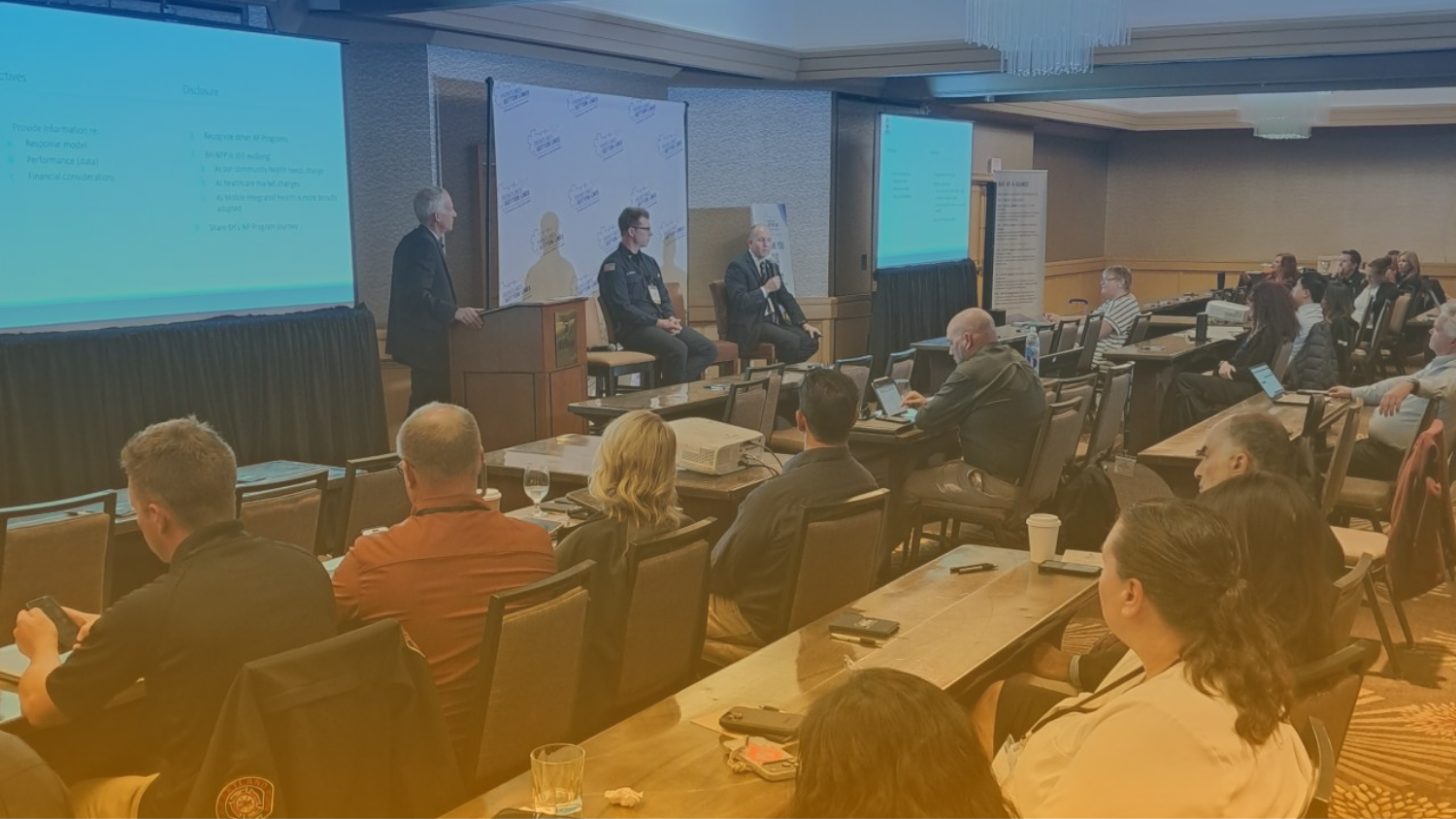
California’s approach to closing the Medicaid reimbursement gap was a hot topic at our Frontlines and Bottom Lines Summit.

Thorough documentation is more than a formality—it’s critical for compliance, revenue protection, and audit readiness.

EMS agencies in 2025 face uncertainty with federal funding freezes, Medicaid and Medicare cuts, and low reimbursement rates. This piece explores the potential impacts of these changes and how EMS providers can advocate for better funding and reimbursement to sustain their essential services.
At FRI 2025, we asked EMS leaders about the biggest priorities, the most impactful innovations, and how agencies are managing a challenging funding year. Their answers offer a candid look at where EMS is headed.

Thorough documentation is more than a formality—it’s critical for compliance, revenue protection, and audit readiness. This post outlines three practices every EMS agency should focus on: verifying crew signatures and credentials, training staff to proofread for accuracy, and ensuring valid patient signatures. Each is a common trouble spot that, if overlooked, can delay claims or raise compliance concerns. By addressing these areas, agencies can strengthen their documentation process, safeguard revenue, and prevent avoidable headaches.
The One Big Beautiful Bill Act (OBBBA) is changing the rules on Medicaid supplemental payments and EMS agencies need to be ready. This post breaks down the three main program types—Certified Public Expenditure (CPE), Intergovernmental Transfer (IGT), and provider tax—showing how they work, where they’re most at risk under the new law, and what these shifts could mean for your budget. We also explore how OBBBA’s provisions intersect with a Medicaid funding system already under pressure, giving you the insight you need to plan ahead and protect vital EMS services.

This summer and fall, Digitech is on the road. From July through September, we’ll be at top EMS and fire industry conferences – meeting with agency leaders, sharing what’s working in EMS billing, and exploring ways to drive better operational and financial performance.
Check out our full Q3 tradeshow lineup and see where you can find us!

EMS agencies in 2025 face uncertainty with federal funding freezes, Medicaid and Medicare cuts, and low reimbursement rates. This piece explores the potential impacts of these changes and how EMS providers can advocate for better funding and reimbursement to sustain their essential services.
Join Digitech at leading EMS and fire industry conferences this spring and summer. From April through June, we’ll be attending key events across the country, connecting with EMS leaders, and highlighting how our billing solutions help agencies maximize revenue and efficiency. See our full schedule and where to find us!

Municipal EMS systems rely on a complex mix of funding sources, taxes, direct billing, and supplemental programs, to stay operational. But with rising costs and reimbursement gaps, many agencies face financial strain. This article explores the critical role of diverse funding sources, where shortfalls occur, and the solutions needed to keep EMS services running.

In this webinar, learn strategies to tackle one of the most pressing challenges in the EMS and Fire industries: managing rising costs with limited funding. Hosted by Digitech’s Michael Brook, this exclusive session brings together industry experts to explore cost mitigation strategies, reimbursement hurdles, and innovative funding solutions.
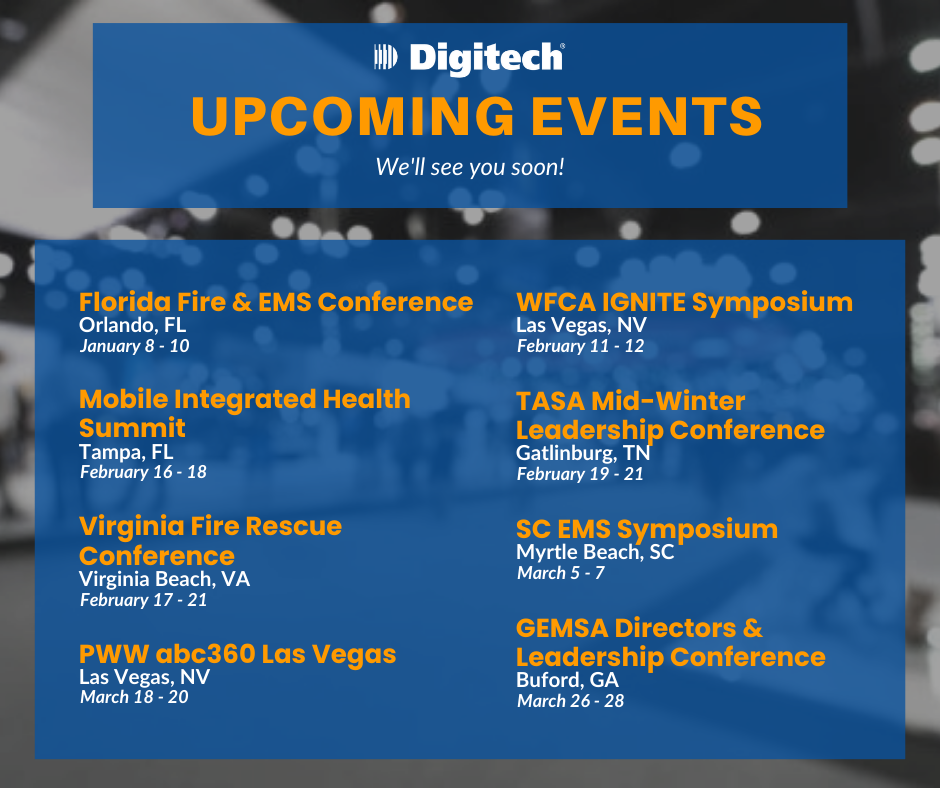
Discover where Digitech will be this quarter! We’re excited to attend leading industry conferences across the country, connecting with professionals and showcasing our latest innovations. Check out our event schedule and plan to meet us at these can’t-miss events.

Discover cutting-edge insights from EMS leaders on the future of mobile integrated healthcare (MIH). Learn about innovative funding models and hear real-world success stories from industry experts. Join the conversation and gain valuable knowledge from top professionals in this exclusive webinar.

What does it take to keep EMS available around the clock? The costs are staggering and often hidden from view. Let’s delve into the actual price of maintaining emergency ambulance services and our financial challenges.
As our nation celebrates the 50th anniversary of EMS Week, a time when we’re honoring the profession and celebrating our country’s dedicated clinicians, there’s something we don’t seem to be talking about enough: our broken EMS reimbursement model.

Watch our most recent webinar on AI in EMS. Panelists explore AI’s application in their areas of specialization: dispatch and communications, ePCR and RMS software, EMS education, and revenue cycle management. A lively Q&A with the expert panelists offers additional insights and takeaways on the emerging applications of AI in EMS.
Medicaid severely under-reimburses EMS providers for ambulance transports, posing financial strain. Despite supplemental payment programs, inadequate funding jeopardizes EMS services, urging legislative intervention for sustainable solutions.

Careers in EMS can be deeply fulfilling. But staffing and retention continue to be huge problems for the industry. Why? Let’s talk about it: EMS providers are underpaid.

In this case study, we examine a municipal EMS agency that decided to implement a policy to stop balance billing patients in situations where the patient’s insurance company short-pays on ambulance charges.

EMS isn’t truly integrated into mobile integrated healthcare – yet. Here we examine an approach to evolving the current model and moving to the future.

In this blog post, we explore strategies for EMS leaders to improve data security in their organizations and ensure patient confidentiality while still embracing technological advancements.
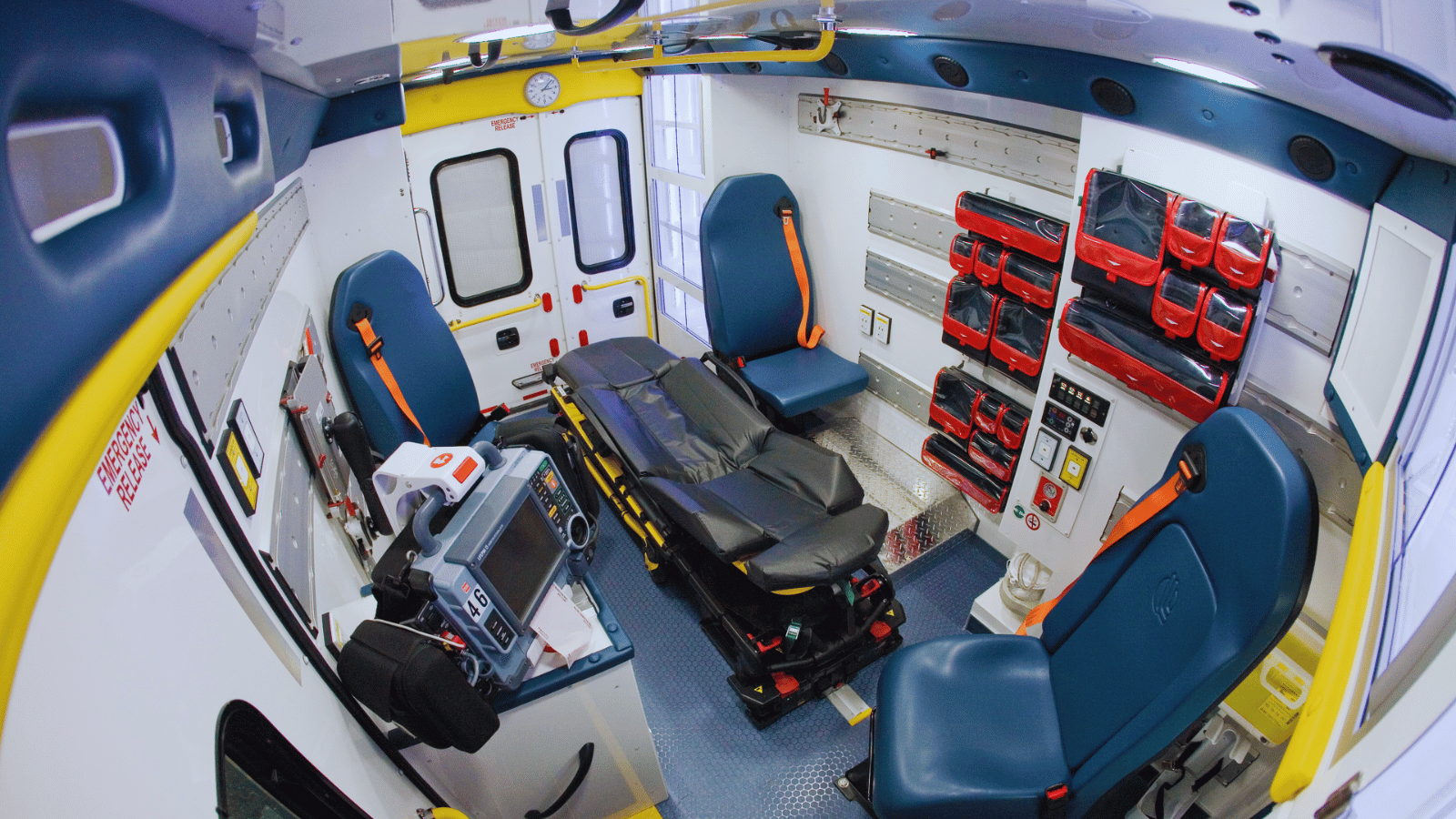
Setting ambulance fee schedules can be challenging and complex. This post examines some of the pros and cons of aligning ambulance transport fees to costs in 911 systems.
The recent federal budget proposal extends the No Surprises Act to cover ground ambulance services. EMS deserves to be reimbursed for costs. Where do we go from here?

Digitech’s cost reporting experts and client guest speakers review the current state of the mandatory cost reporting cycle, share examples and tips from the field, and offer insights and resources that will help you avoid the 10% Medicare penalty that CMS will impose if data is not collected and reported accurately.

Ground ambulance providers are focused on reporting under the Medicare Ground Ambulance Data Collection System (GADCS), and data submission has just begun. Let’s take a look at where we are now.
Have you ever been asked to “do more with less”? In this whitepaper, we focus on three strategies that aim to improve your organization’s revenue cycle without cutting staff or changing your patient care processes.

Deciding how to handle your agency’s EMS billing takes analysis and careful consideration, with plenty of pros and cons to weigh. Here we provide five good reasons to outsource.

This free panel discussion explores the current state of affairs in Mobile Integrated Health: the ET3 rollout, regional and local disparities in the execution of mobile integrated healthcare, and how providers are overcoming the challenges to efficient delivery of MIH.

EMS vendor ethics: how do you assess them? What does an ethical relationship with a vendor look like? Our EMS experts explain it all in this webinar.

Issuing an EMS billing RFP this year? Selecting the right partner is a crucial decision for every EMS organization that outsources billing services. This list arms you with 50 questions in six major areas to include in your billing RFP so you can make an informed choice.
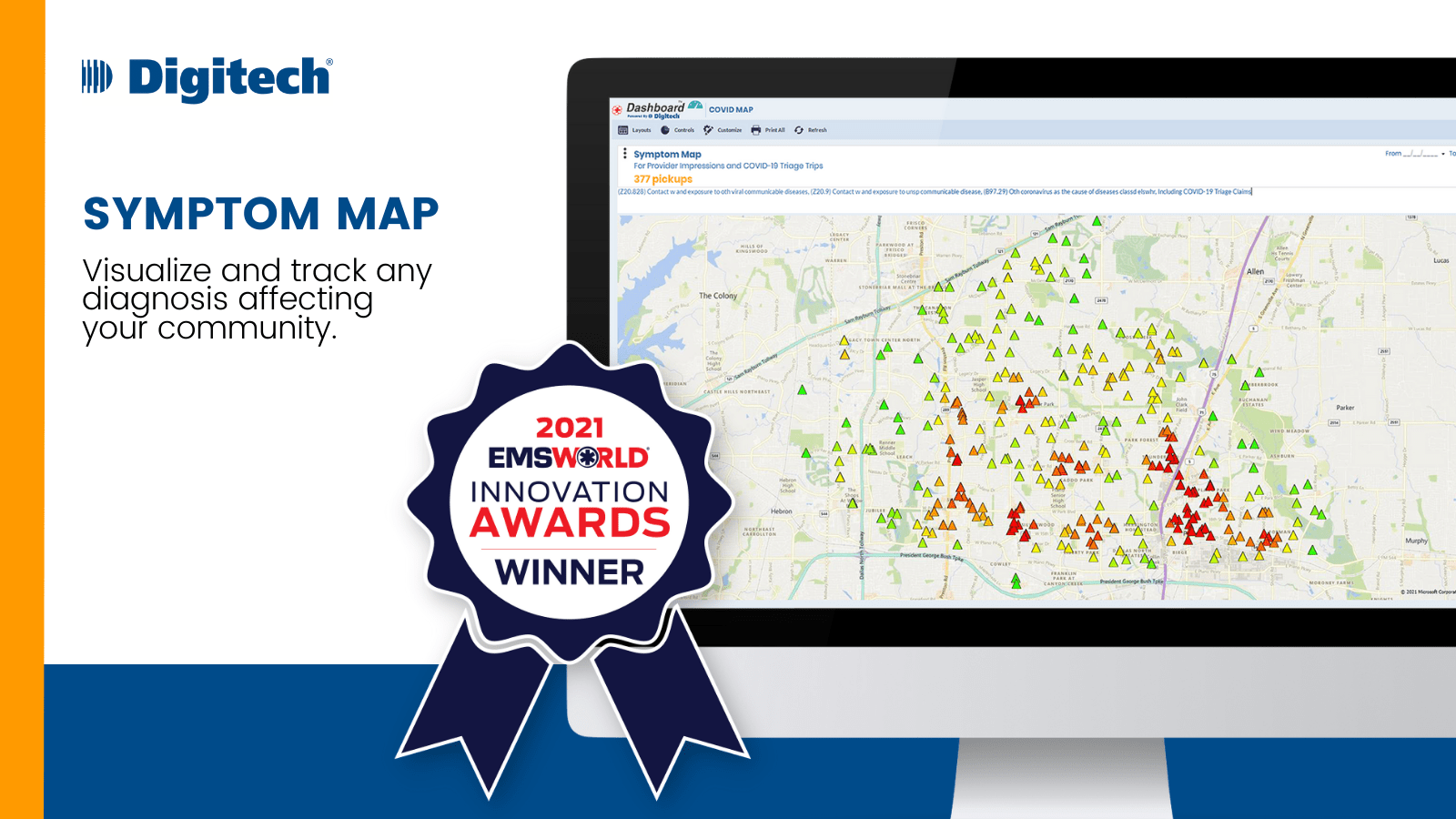
Digitech’s Symptom Map wins a 2021 EMS World Innovation Award with its interactive heat map that allows EMS agencies to geospatially track call locations and responding crews.

Are you confident that you know how to analyze revenue data correctly to evaluate the performance of your EMS agency’s billing?

Digitech has closed a successful first quarter of 2021 with key additions to its staff and customer base as well as the continued migration of legacy clients onto their industry-leading billing platform.

Digitech has announced that Krina Merchant has been hired as Corporate Counsel and Amanda Stark has been hired as Risk Manager.

Digitech has reached a milestone: today marks the merger of R1 RCM’s EMS business (formerly Intermedix/ADPI) with Digitech, allowing us to continue to build upon our mission and vision for customers.
While the health impact of COVID-19 has been destructive in many communities across the globe, the economic impact has hit EMS especially hard as well. This whitepaper examines the effects.

Sarnova announced today that it will acquire and simultaneously combine Digitech and the R1 RCM Inc. (“R1”) EMS business to create a leading provider of revenue cycle management (RCM) solutions for emergency medical services (EMS) professionals.
The COVID-19 pandemic is highlighting the innovative ways in which EMS providers like our friends in Sullivan County show up to support their neighbors in need.
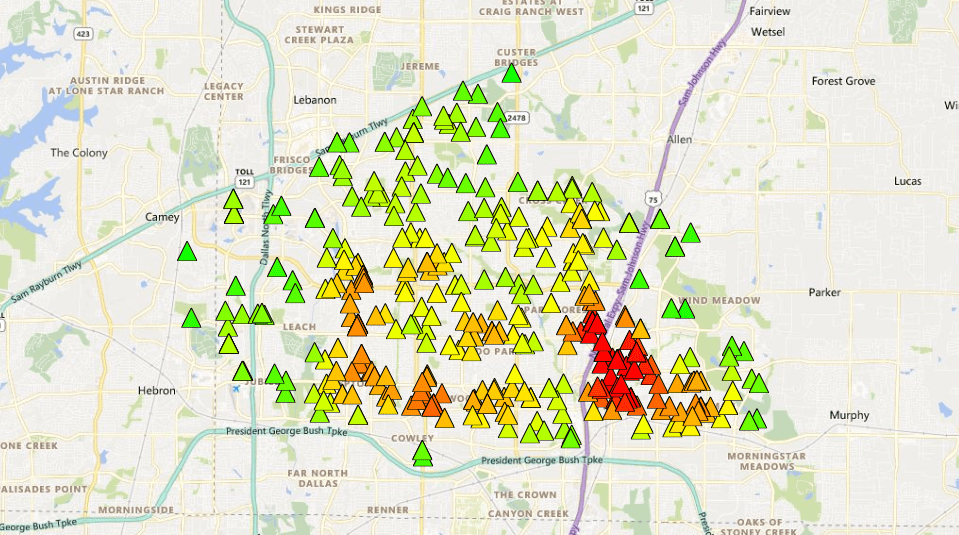
Our ability to adapt to an ever-changing EMS landscape is a benefit to our clients. We’ve released new tools to help track Coronavirus-related incidents in your service area.

For the duration of this Public Health Emergency, Digitech remains committed to assisting the EMS community by sharing important, up-to-date information related to industry changes and COVID-19.

Digitech announced that industry veterans and EMS experts have joined the team as Senior Vice President of Sales and Regional Sales Managers.

Digitech’s road warriors are starting 2020 with a busy schedule full of industry conferences. Here’s where you can catch up with us for the first few months of 2020.

Private equity firm Pamlico Capital has partnered with Digitech to provide investment funding that will support Digitech’s continued growth in the market.